16 VeloRaptors and two dogs celebrated the Martin Luther King Jr. holiday with a hike in Redwood and Roberts Parks, starting at the Trudeau Center on Skyline Blvd in Oakland. We knew that there’d be a lot of hikers from the full car park and the “extra hike” getting to the meeting point from where we parked.
It was a glorious day – the kind that reminds you of how wonderful the Bay Area really is – and the absence of significant mud enhanced the experience. From the Trudeau Center we made our way to Dunn Trail, stopping to admire the blue-grey serpentine outcrop, and to inspect the tripping hazards created by unofficial drainage berms installed by guerilla park users (whatever happened to “take only photos, leave only footprints”?). We followed the Dunn Trail up, then down through open areas and bay-oak forest to Baccharis Trail (Baccharis pilularis is the Latin name for coyote bush), where we turned southeast to the junction with West Ridge Trail. Everyone was doing so well that no-one opted for the shortcut up Baccharis in the opposite direction.
Baccharis took us through a flat, open, sunny area with golden sandstone outcrops and sandy areas. Once on West Ridge, we were faced with a couple of steady uphill sections, which everyone handled very well. Three hikers then did the optional excursion to Redwood Peak before joining the others, who’d found sunny picnic tables in Redwood Bowl, near the restrooms.
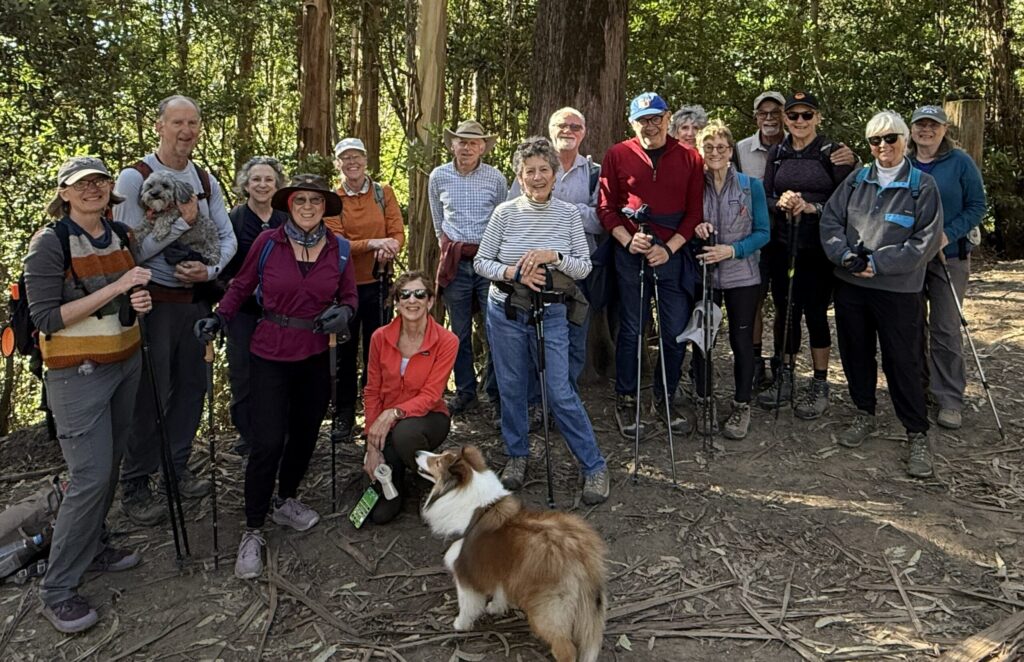
From Redwood Bowl it was an easy downhill walk along Graham Trail back to Dunn, where we retraced the first part of our route back to the parking lot, admiring the stunning views of the bay. All in all, a very enjoyable morning!
The Monthly-Metric has been revived for 2026, but the January version wound up a little short! It was cool and foggy at the start in Orinda, and conditions didn’t really change as we cycled to Lafayette then over Reliz Valley Rd to Martinez. Moreover, there has been utility work on Reliz Valley Rd and the usual smooth and speedy descent, was instead a bumpy search for smooth pavement. Reaching Martinez, we warmed up with coffee and pastries at States Coffee. The planned route continued along the Carquinez Scenic Byway where the cold (45 deg) and fog persisted. Since we are an adaptable and resourceful group, we contemplated a alternative return route. Turns out that one of us (Gary) had never biked over the Bears, so we opted to head for Pig Farm hill and the Bears (Bear Creek Road). This turned out to be and excellent decision, as this route was fog free, the hills were green and the temperature was a balmy 54 degrees and climbing!
We ended up with 39 miles and and 3100 ft of ascent, so we have a bit to make up of future metrics!
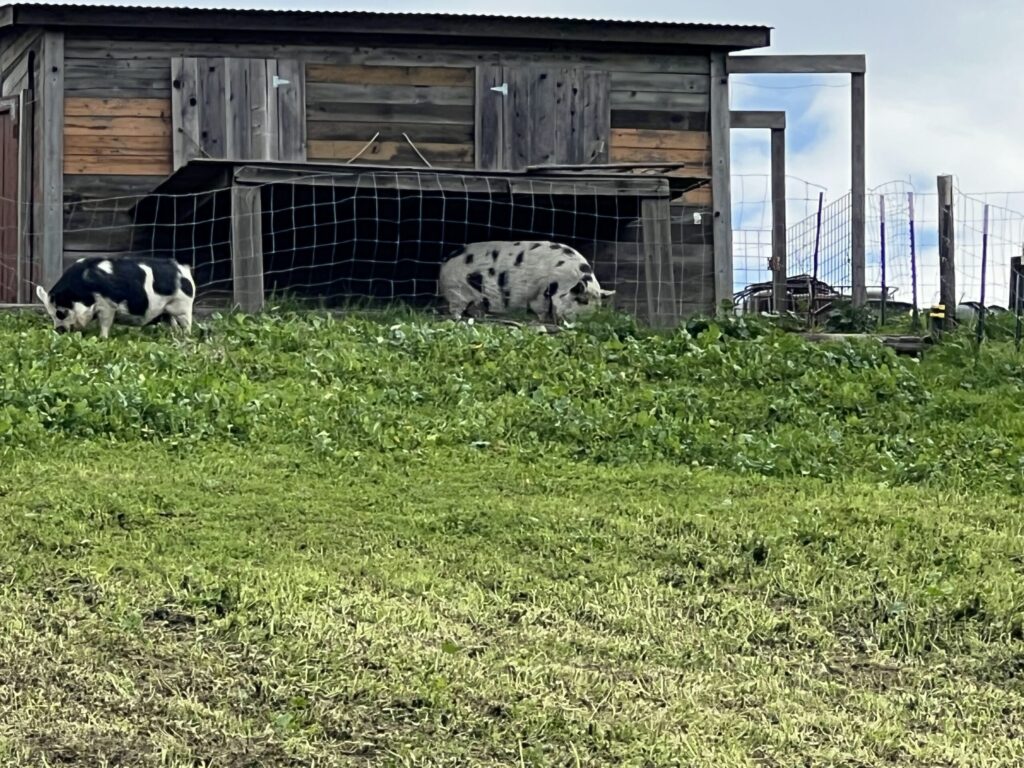
We observed two very large pigs on Pig Farm hill. At first glance I really thought that the black and white one was a cow, but then its bigger partner appeared for the photo op.
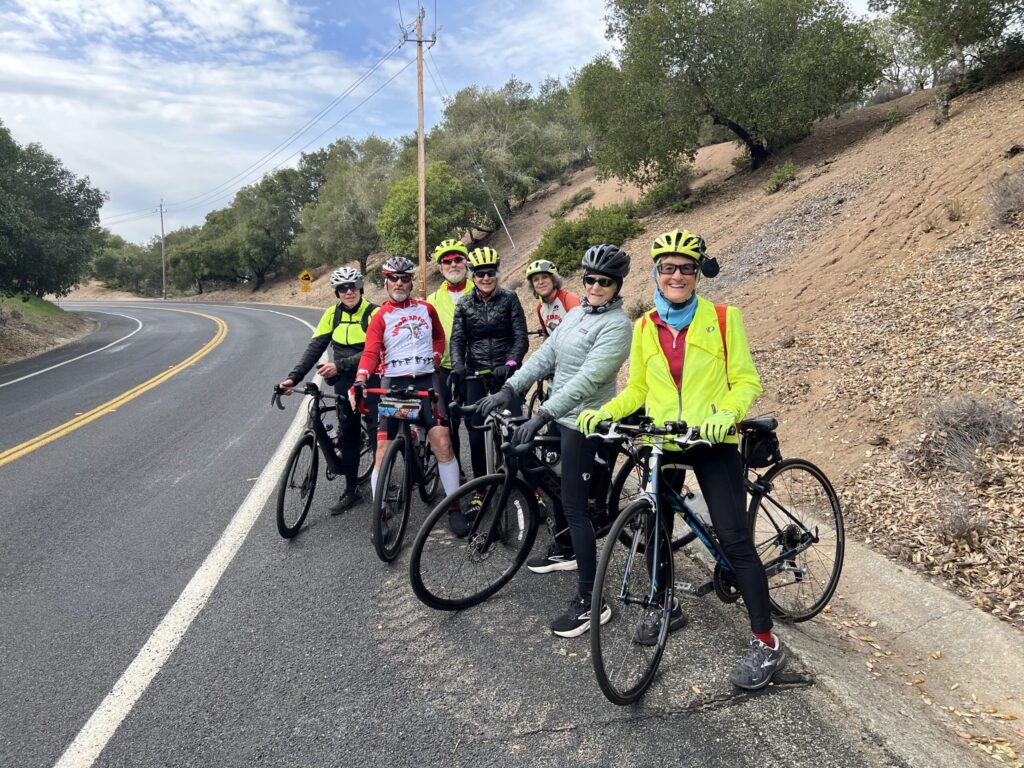
A few of us stopped at the top of PAPA bear to honor Gary, resplendent in his VeloRaptor jacket, on his maiden trip over the Bears.
Returning to Orinda, a few of us enjoyed a great lunch at Cafe Teatro and recounted our adventures!
A big Thank You to all VeloRaptors that contributed to the Bike East Bay matching fund fundraiser. VeloRaptors have been supporting Bike East Bay and its predecessor East Bay Bicycle Coalition for many years and 2025 was no exception. Rebecca Saltzman from Bike East Bay sent the following note to the club in appreciation of our efforts.
———————–
VeloRaptors:
I’m happy to report that in just 5 days, from December 26-31, we raised $27,557 online from 155 donors, nearly 1.5 times the matching gift goal! With the match amount, we raised a total of $46,267 for Bike East Bay through the VeloRaptors campaign. Your gift and all of these funds will be used to support our advocacy, education, and engagement efforts to make it easier and safer to Bike in the East Bay.
The generosity of VeloRaptors members, inspired so many people to give additional gifts and/or give more generously. This was the third year that members of the VeloRaptors joined together to provide a year end match for Bike East Bay, and this year’s joint effort was the most successful yet.
Thanks and happy new year!
– Rebecca
Rebecca Saltzman (she/her)
Co-Executive Director of Development and Engagement
.
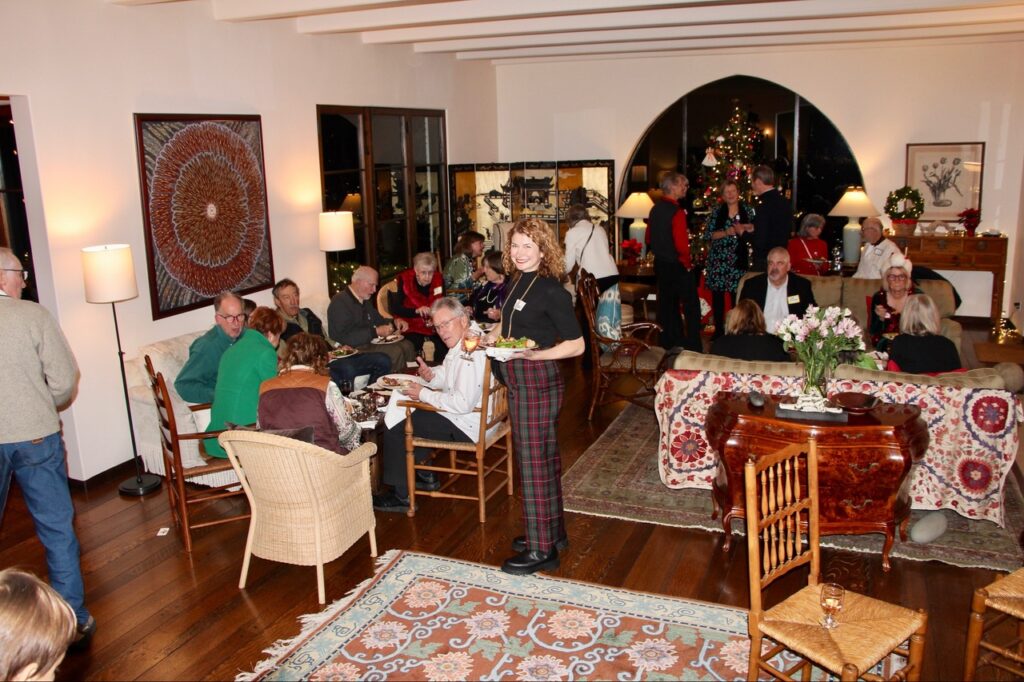
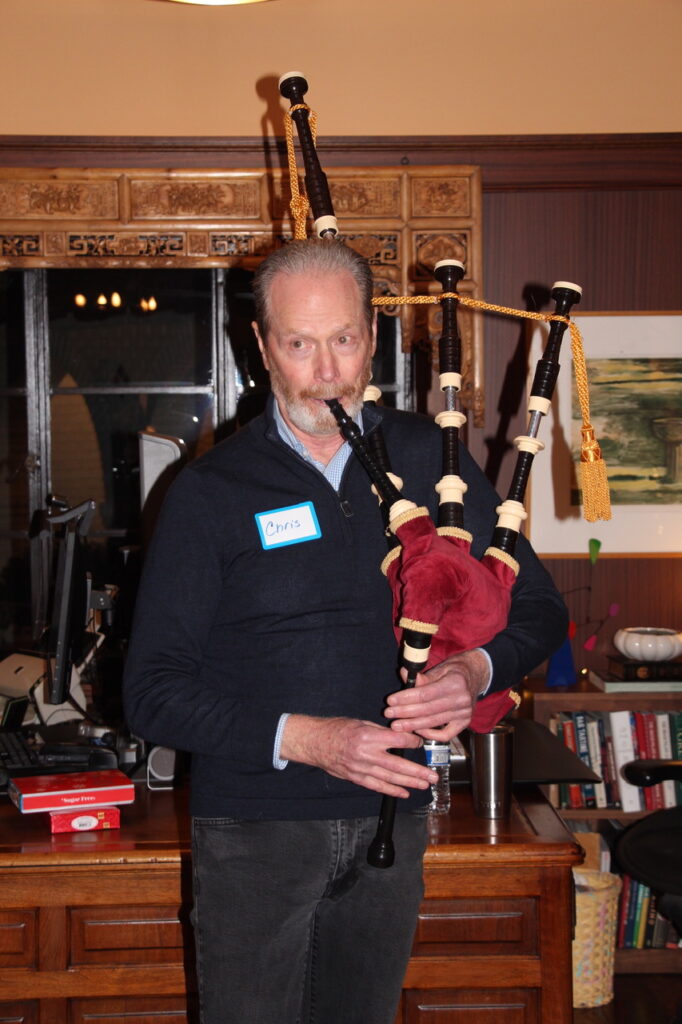
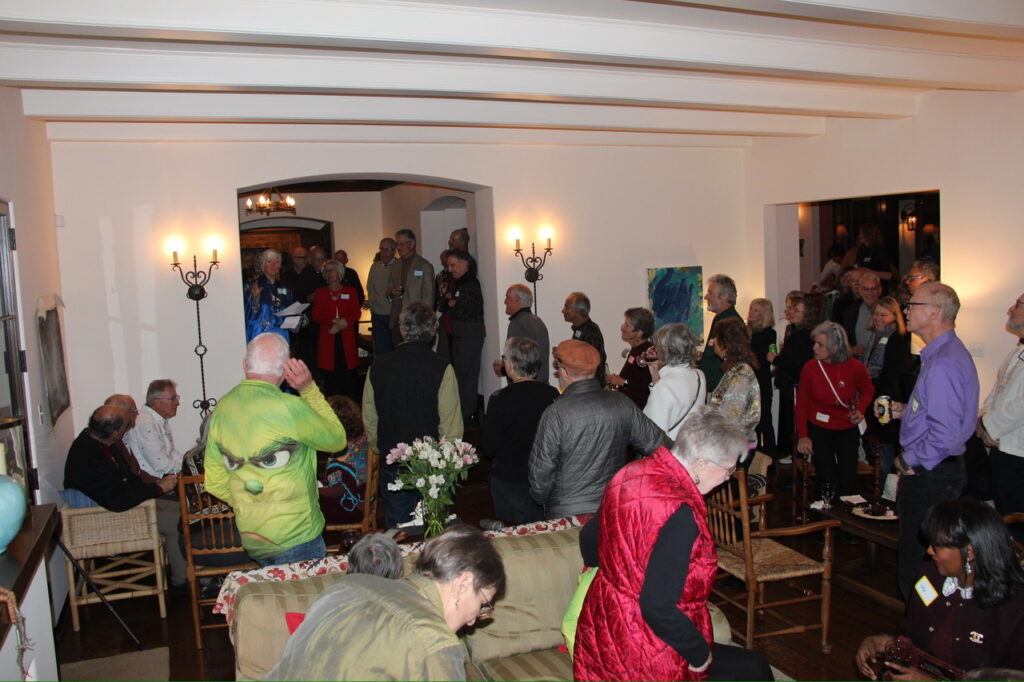
VeloRaptors closed out 2025 in great form with our Holiday Party – Thank you to Fred and Alyston for hosting in their fabulous home
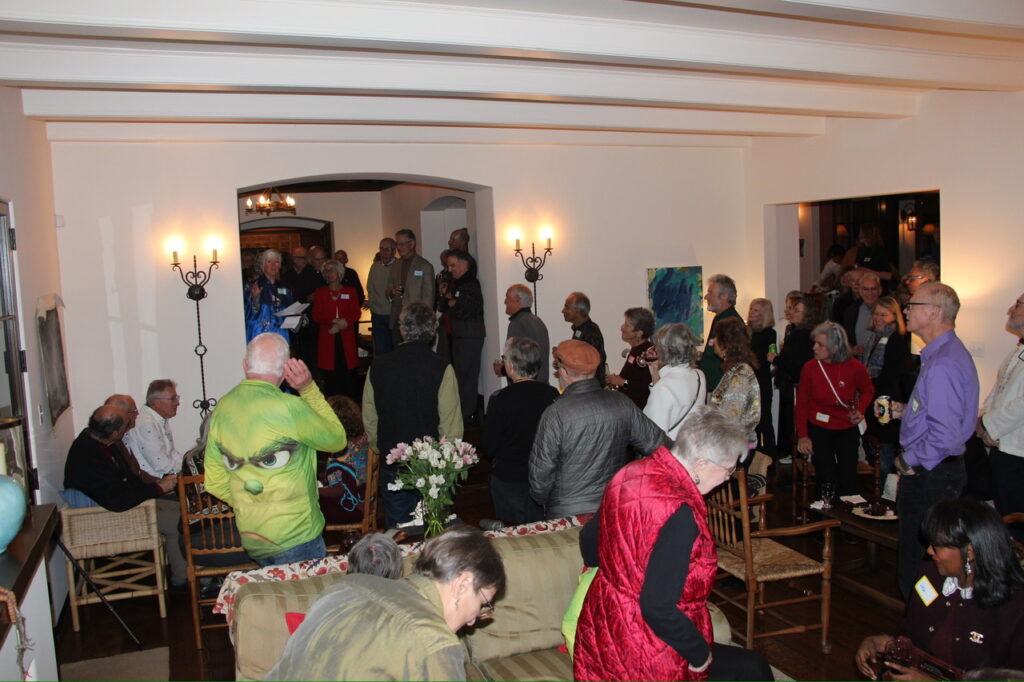
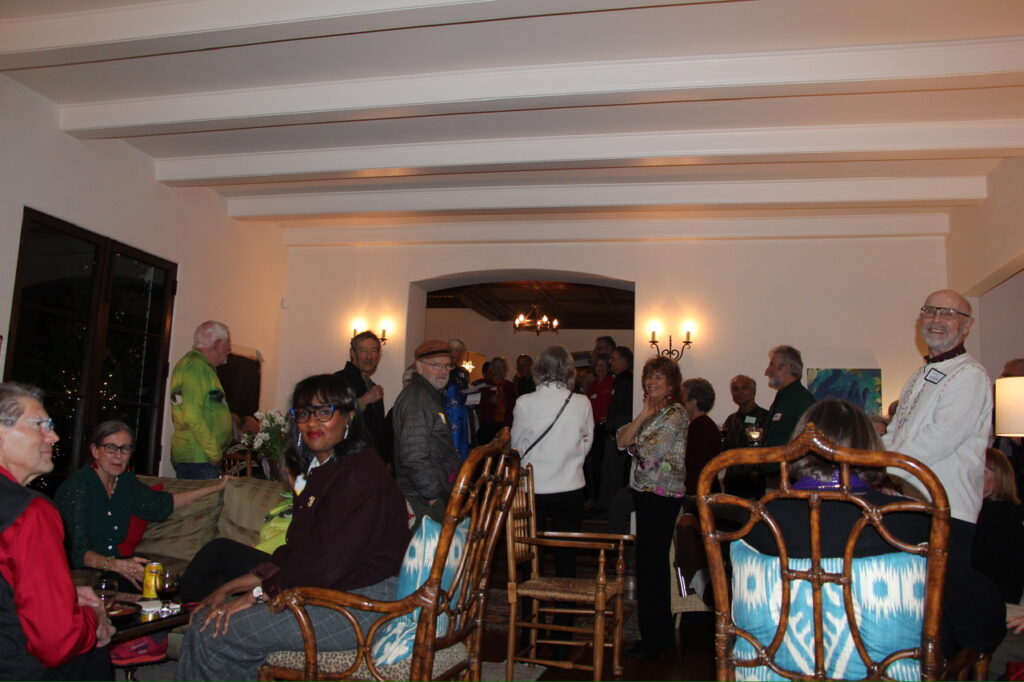
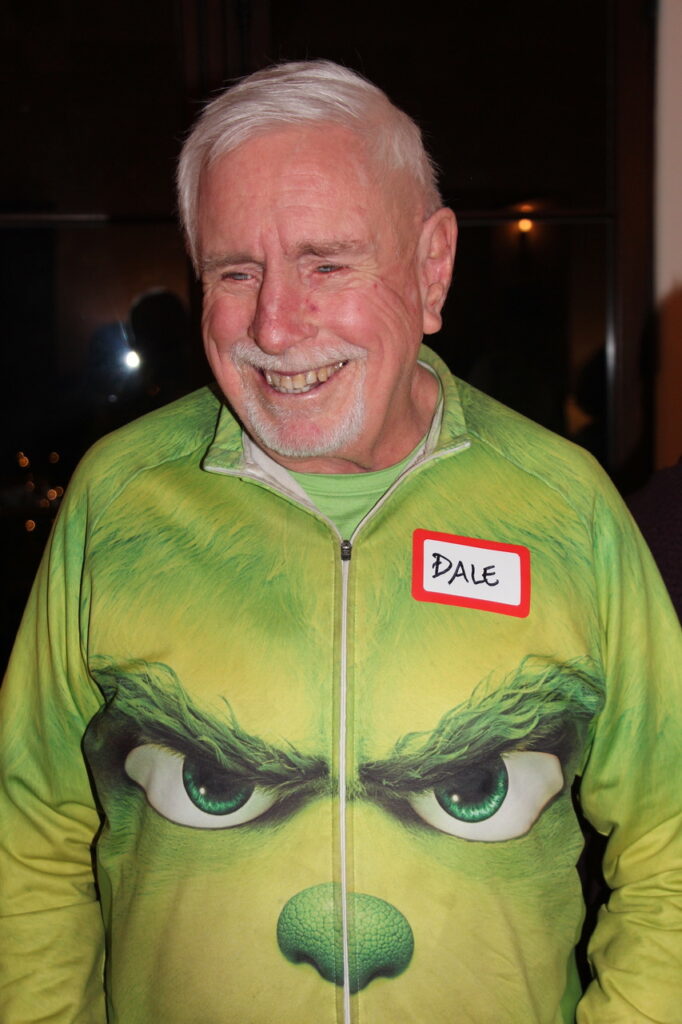
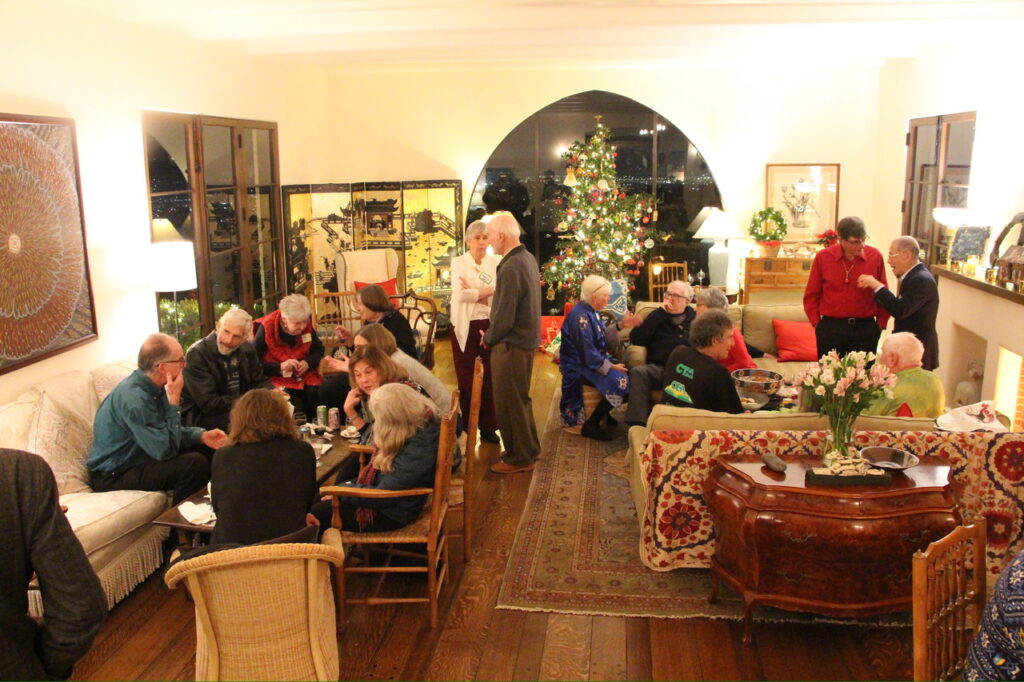
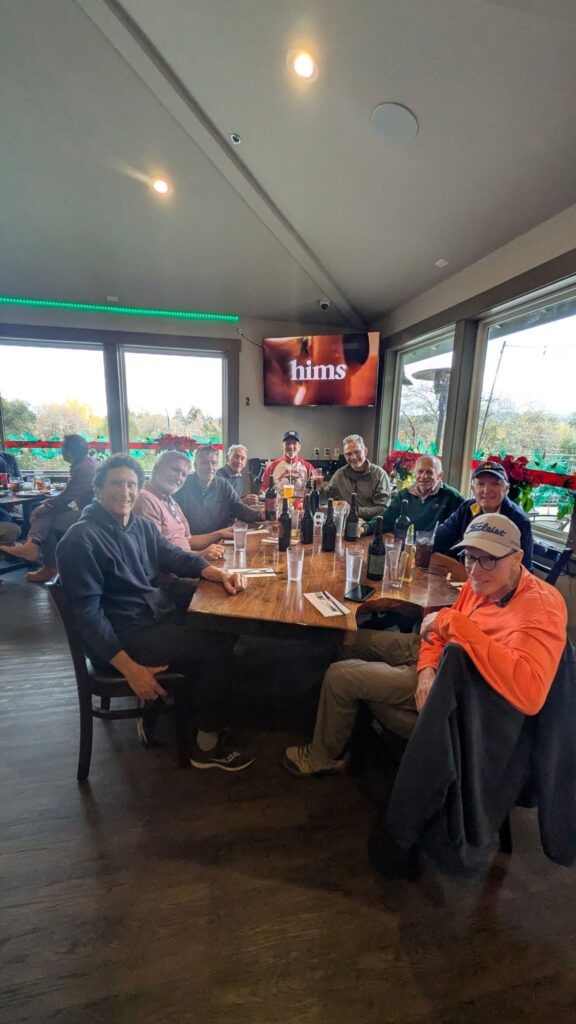
Just Before Christmas The HackoRaptors (Tuesday edition) had a fun lunch following 9 holes at Diablo Hills
Even though the rain kept us off the road on New Year’s Eve, a gaggle of Wednesday Riders gathered at L’Cajou for coffee and socialization.
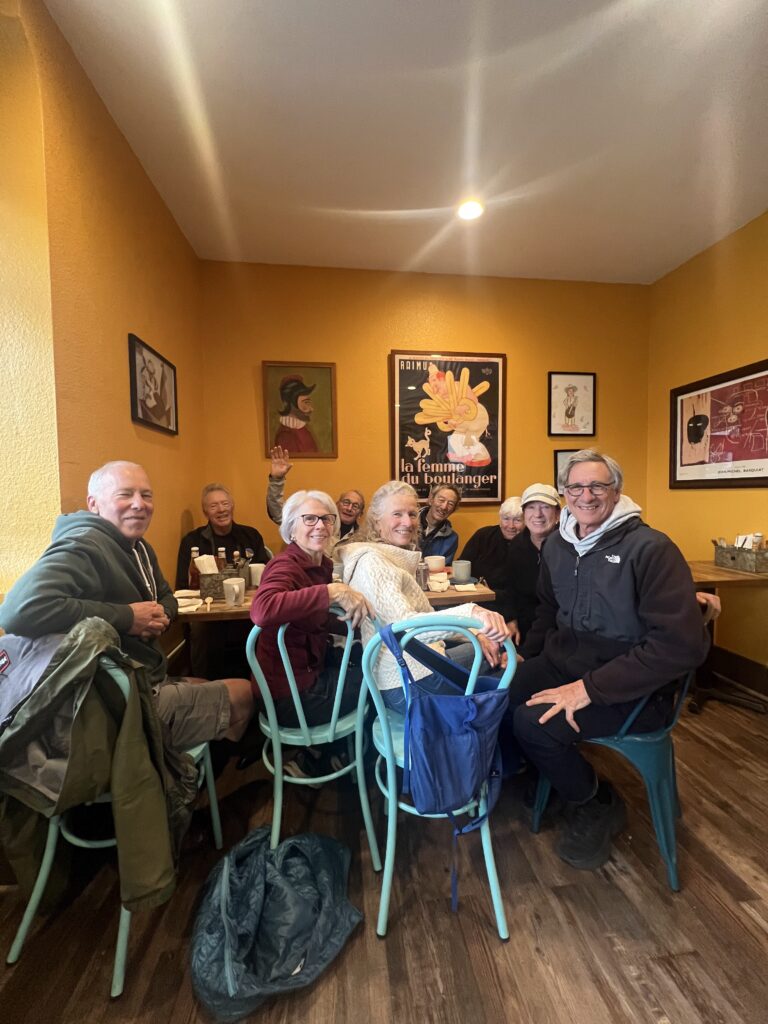
Finally, check out new additions to the website.
In particular, Organized Rides page has been update to include several more local rides, with links to their registration pages. Find this on the site at Rides and Routes / Organized Rides
Also check out Richard Goodman’s recommended books list for 2025 at:
For Members / Food For Thought / Raptor Readers.
One more thing – don’t forget to renew your membership by sending dues to Chris Scrivani before March 1, using zelle or Venmo.
Input from Richard Goodman, Larry DiCostanzo and Bill Bagnell
First from Richard:
Fiction
Russell Banks, Magic Kingdom (2022). Since I am drawn to books that take me to times and places new to me, I reveled in this tale of rural Florida in the early 20th century and the Shaker community that first thrived, then struggled there.
Geraldine Brooks, March (2005). This novel reimagines the life of Mr. March (the unseen father in Little Women) as a chaplain during the Civil War. With luminous prose, it shines a light on the wretched lives of the newly released slaves, of the unimaginably horrible front lines and of the grim conditions in Civil War hospitals.
Percival Everett, James (2024). This novel retells the story of Huckleberry Finn from the standpoint of the enslaved Jim (here, called “James”). Although it may be heresy to admit this, I enjoyed James more than Mark Twain’s original, which I reread at the same time!
Bernard Malamud, The Fixer (1967). This novel, which won both the National Book Award and the Pulitzer Prize in 1967, is based on the true story of a poor Jew in Tsarist Russia who is accused of the ritual murder of a Russian boy. Difficult to read but impossible to put down.
Gary Shteyngart, Vera, or Faith (2025). This dystopian tale follows a precocious 10 year old girl (Vera) in near-future America. The story, told from Vera’s perspective, follows her attempts to connect with her Korean-American birth mother and to hold together her (very!) blended family as it struggles with rising authoritarianism. Somber yet hilarious!
Wallace Stegner, The Angle of Repose (1971). This Pulitzer Prize–winning novel weaves together the story of a retired historian confined to a wheelchair and the 19th-century frontier lives of his grandparents, whose letters and papers he is studying.
Elizabeth Strout, Olive, Again (2019). This novel, told through interconnected stories, focuses on Olive Kitteridge,
a prickly retired math teacher from Crosby, Maine featured in a previous Strout novel. It spans roughly a decade of Olive’s later life as she navigates aging, loneliness, love, regret, and connection. You can’t go wrong with this or with any of Strout’s novels!
Non–Fiction ——————–
Frances Dinkelspiel, Towers of Gold (2008). This is a biography of the author’s great-great-grandfather, Isaias Hellman, a Jewish immigrant who rose from penniless store clerk to powerful financier in California. It chronicles how Hellman’s financial acumen and investments in industries like banking (including Wells Fargo), transportation, viticulture, and oil played a pivotal role in transforming California from a raw frontier into a modern economy. A terrific read!
Richard Federko, A Walk in the Park (2024). Just how many things can go wrong when you attempt to hike the entire Grand Canyon? More than you can imagine!
Stephen Greenblatt, Dark Renaissance (2025). I had no previous interest in Christopher Marlowe and knew only that he was a contemporary of Shakespeare. My bad! Marlowe’s story, told by a master storyteller, is as fascinating as that of the Bard of Avon!
Patrick McGee, Apple in China (2025). McGee chronicles the background of Apple’s placing all of its bets on China, currently doing 90% of its manufacturing there. It is thereby putting itself at great risk as well as training China’s next generation of engineers, who may go on to develop hostile technology.
Russell Shorto, The Island at the Center of the World (2004). Who knew that New Amsterdam, the Dutch colony that became New York, was the font of American diversity or that a a Dutch-born lawyer named Adriaen van der Donck was the true father of the liberties we cherish?
Ian Tattersall, Masters of the Planet: The Search for Our Human Origins (2012). This book explores how Homo Sapiens became the dominant species on Earth, focusing on the unique traits that allowed us to outcompete other human species, such as Neanderthals.
Amanda Vaill, Pride and Pleasure: The Schuyler Sisters in an Age of Revolution (2025). Having revered Ron Chernow’s Hamilton in 2016, I wondered what more there was to say about this man and his family. Much, much more, it turns out, especially when the focus is on his wife and sister-in-law!
Irvin Yalom, Becoming Myself: A Psychiatrist’s Memoir (2017). Yalom arose from an impoverished immigrant home to become a foremost modern psychotherapist, writing numerous books along the way (I read three of his other books this year, as well as this one!)
My very favorite books this year were:
Fiction – Brooks, Geraldine, March (2005).
Non-Fiction – Stephen Greenblatt, Dark Renaissance (2025).
Happy New Year and happy reading to all of you!
Now from Larry DiCostanzo:
My friend, Richard Goodman, has inspired me yet again to send out my list of favorite books of 2025. The fact is that I didn’t get time to read a lot, given how our year was one of medical extravaganzas. I think I did “comfort reading” — old favorites, a book I read as a child, and some books about the medieval world. Everything on the list is fiction. Larry
Here you go:
The Brothers Karamazov by Fyodor Dostoyevsky: Once again I’ve read this great murder mystery that, like many modern mystery movies, closes with a trial. The eponymous brothers and many others are portrayed as unique individuals with intense interactions and flights of individualism. The contrasts are great and wonderful: for example, a very serious scene followed by the most beautiful description of a happy dog in love with his young master.
Pride and Prejudice by Jane Austen: It always pays to reread a good book and shake off one’s bias. This time, I finally realized that both the pride and the prejudice were the traits of the heroine Elizabeth Bennett and that Mr. Darcy is, in fact, the good guy. This is a delightfully complicated book with insights into how law and society influence character. P.s. Did you know this is the 250th anniversary of Miss Austen’s birth? That by happenstance I came across her grave in Winchester Cathedral?
Paradise Lost by John Milton: I am not quite sure if Mr. Milton “justified the ways of God to Man” as he had hoped. But he was certainly valiant. Plus he wrote a hard-to-read (for us) but verbally exciting story that is like super science fiction in many respects (think battles in space), fantasy in others (think evil guys holding conferences) and an excellent retelling of the story of Adam and Eve as people who don’t really have much experience and certainly don’t have a past. Not for the faint hearted.
The Heat of the Day and The Death of the Heart by Elizabeth Bowen: Miss Bowen is an Anglo-Irish woman who wrote from the 1930s through about 1960. The first book is a World War Two story in which a widowed English woman with a son in the army has to worry about whether her English lover is actually a mole or agent for Germany. The second book is pre-war and concerns how a young person loses trust because of one single event: An adult exercises thoughtless privilege to read her diary without permission. Bowen is a serious writer and, I think, an amazing stylist.
The Pickup by Nadine Gordimer: In this relatively short book, Nadine Gordimer tells the story of a privileged young South African woman who meets a car mechanic who is an illegal alien with high intelligence, dissatisfactions, and hopes. He is caught out, they marry, and must move to his unnamed Islamic desert country. Conflict arises as she discovers she is content there, and he is always seeking escape. This is a beautiful book.
Grettir’s Saga by Anonymous: This book is one of the many Icelandic sagas written down in the 13th century, but harking back to earlier Viking times. These sagas are actually novels. This one is about the obsessively individualistic Grettir and how his asocial attitude leads to the disaffection of his fellows, to his isolation, and friendlessness. Believe me, friendlessness in medieval Iceland in no joke. The scenery and the way of life are well portrayed — indeed, so well that the editors add maps showing Grettir’s travels. If you think such early Viking age literature might be hard to get into, think again please.
River of Stars by Guy Gavriel Kay: This is a fantastic, rip-roaring book about a fantasy China under siege from steppe barbarians to the north. It is a great companion to “Under Heaven” also about fantasy China, and which I wrote about in an earlier list. Here there is poetry, sad ruin, cynical governance, savagery, a young man who rises from the bottom, unmerited failures and successes, and struggles between noble aspirations and loyalty. This is a page-turner.
Laurus by Eugene Vodolazkin: The high quality of the literature coming out of modern Russia is amazing. “Laurus”, set in the 1400s, is the fictional biography of a “holy fool”, a character that appears elsewhere in Russian art, for example, in Moussorgsky’s opera “Boris Godunov” or perhaps in Dostoyevsky’s “The Idiot”. This is a beautiful book with macro- and micro-landscapes (think forest and different kinds of moss and fungus), magic moments as in hagiography and a consistent narrative of a man whose whole life is determined by a youthful act of selfishness.
The Wheel on the School by Meindert DeJong: I must have read this book (about 300 pages) when it won the Newbury Medal in 1955. The teacher in a small school in a “stork-less” village in Friesland turns the kids loose to complete a project which is also a dream — to find a wagon wheel to put on top of the school for storks to nest on. The children have wonderful experiences as they forage. And I have never read a book in which the meeting of the world of children with the separate world of adults is so well done. There are great people like the legless fisherman and great visuals like the tinker’s horse wagon. Excellent values in a real world. Illustrations by a young Maurice Sendak.
Bill Bagnell’s List
I read the first three books in high school but may not read the others. For some reason that I don’t fully understand, I can’t seem to get into fiction these days, all I read is non-fiction. Here are a few to try:
Sexuality in Medieval Europe by Karras and Pierpont (I was curious);
The Making of the Atomic Bomb by Richard Rhodes (a bit technical but a wonderfully written story about how basic research and brilliant people led to a massive WW2 effort to create a most terrible weapon);
The Death of Meyerhold by Mark Jackson (local playwright Jackson wrote this years ago for Shotgun Players, who are reviving it in a new production at the end of 2026. Script is available on Amazon, play will be a must-see, and sometimes reading a script in advance of seeing the production can enhance the experience).
Bill Bagnell
Life is a strange attractor
Gods are the tapeworms of the mind
Our Wednesday ride filled the table at SiSi’s cafe in Moraga. 15 VeloRaptors stopped for coffee, and enjoyed the cool December sunshine before heading back to Oakland over the East Bay hills.

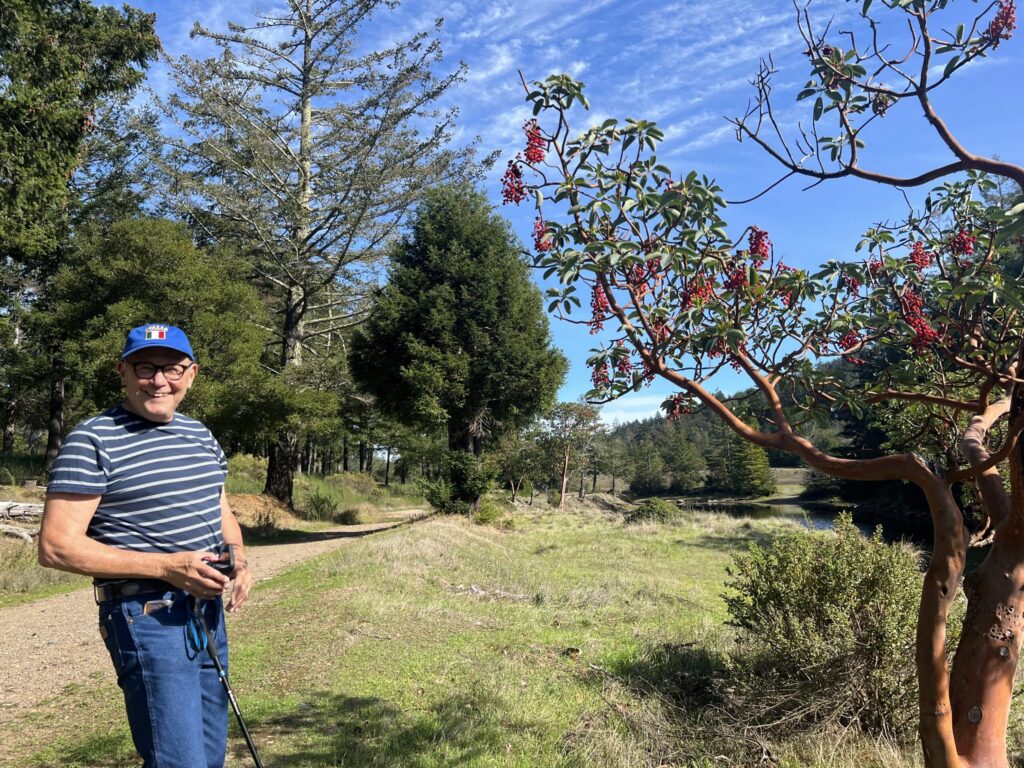
On Monday, November 10, nineteen Hike-O-Raptors ventured to Bon Tempe and Lagunitas Lakes, in a quiet part of Marin tucked away to the north of Mount Tamalpais. We knew that the day was going to be good when we discovered that Marin Water had suspended parking fees for the day. Everyone arrived early, and as planned, we started off around Bon Tempe Lake. The weather was glorious, with mild temperatures and bright sunshine. The only signs of it being fall were the long shadows, fallen leaves and a proliferation of beautiful mushrooms.
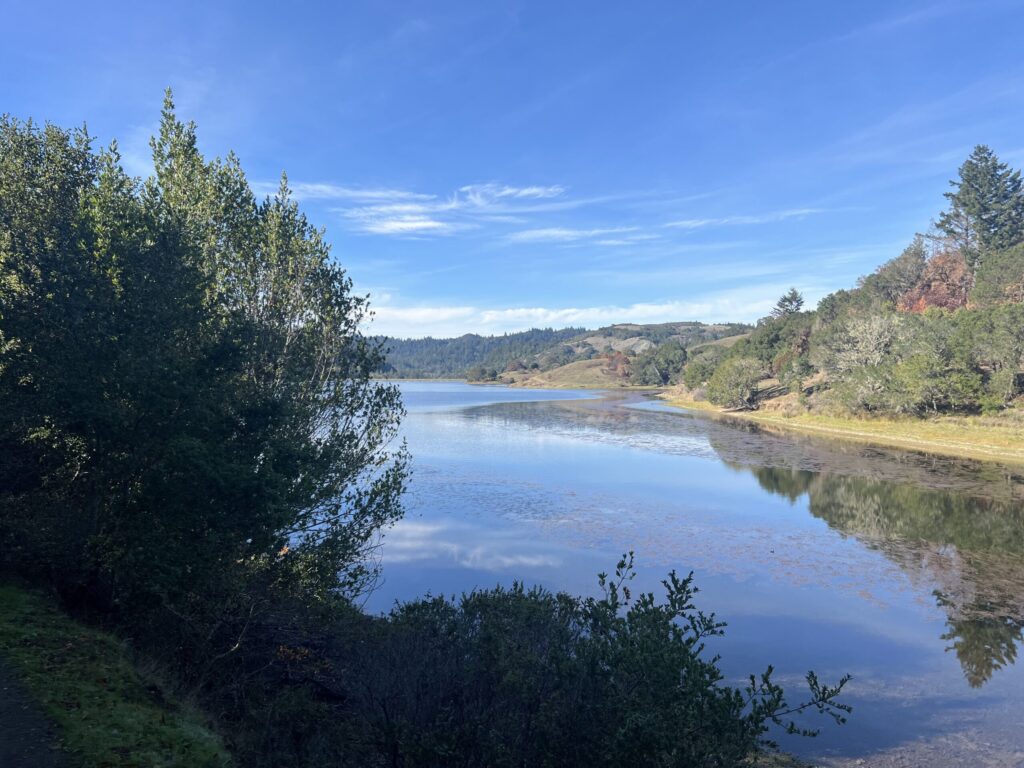
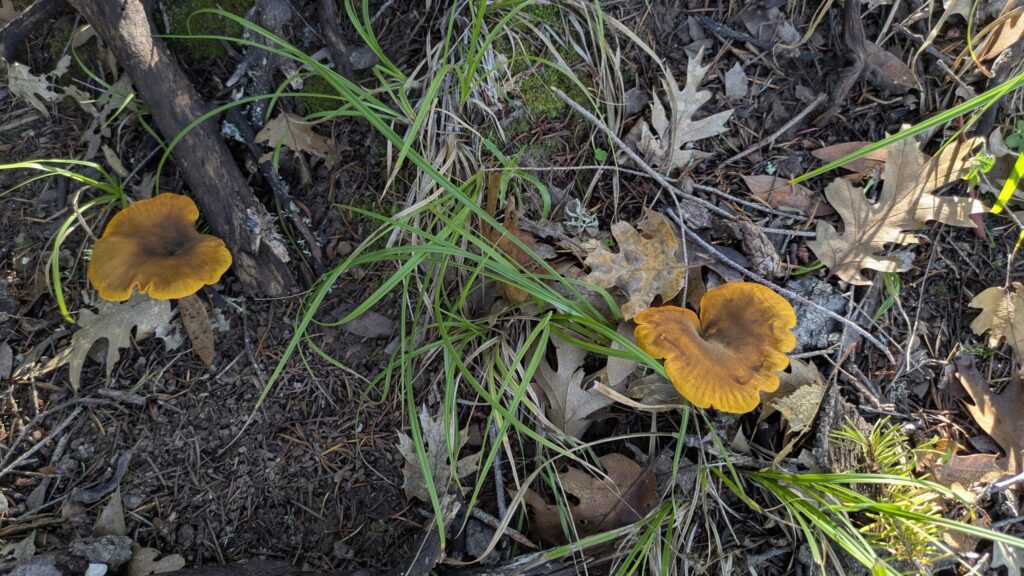
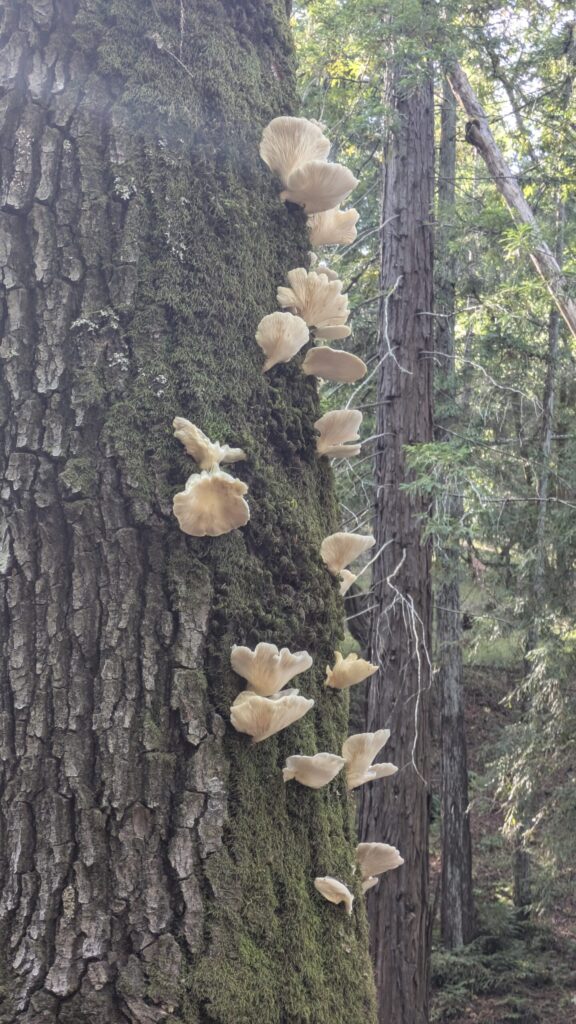
At the Bon Tempe dam we looked down on the western edge of Alpine Lake, the third reservoir in this series of Marin Water reservoirs – the Hike-O-Raptors had hiked down to the other end of Alpine Lake earlier in the year on the popular Cataract Falls trail.
After making our way around Bon Tempe Lake – almost five miles – we appropriated the group picnic area and had a well-earned lunch.

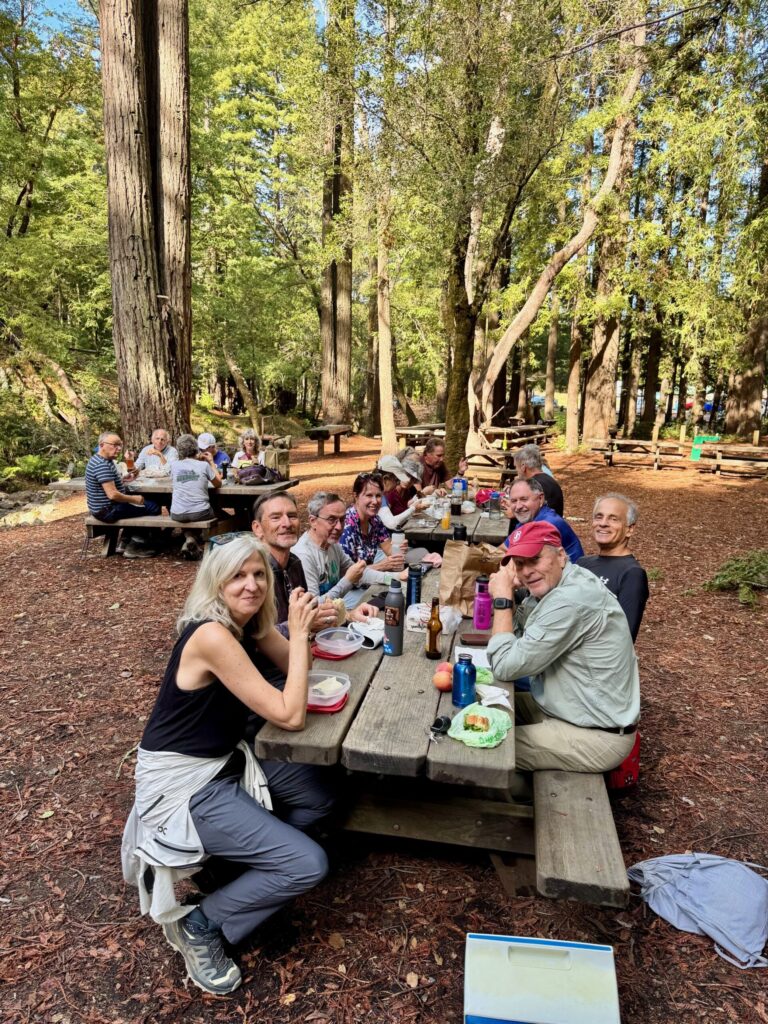
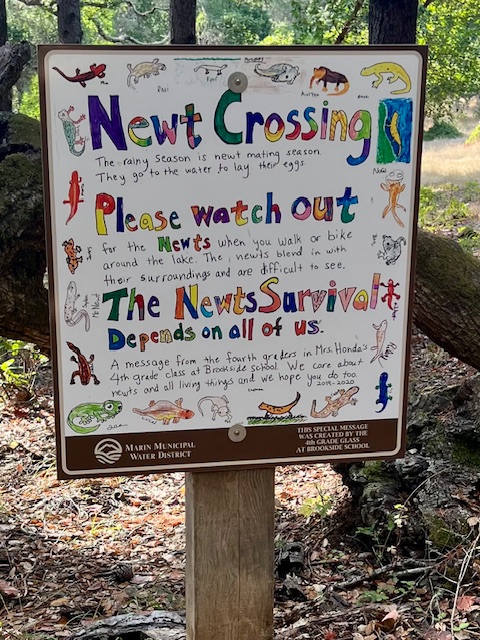
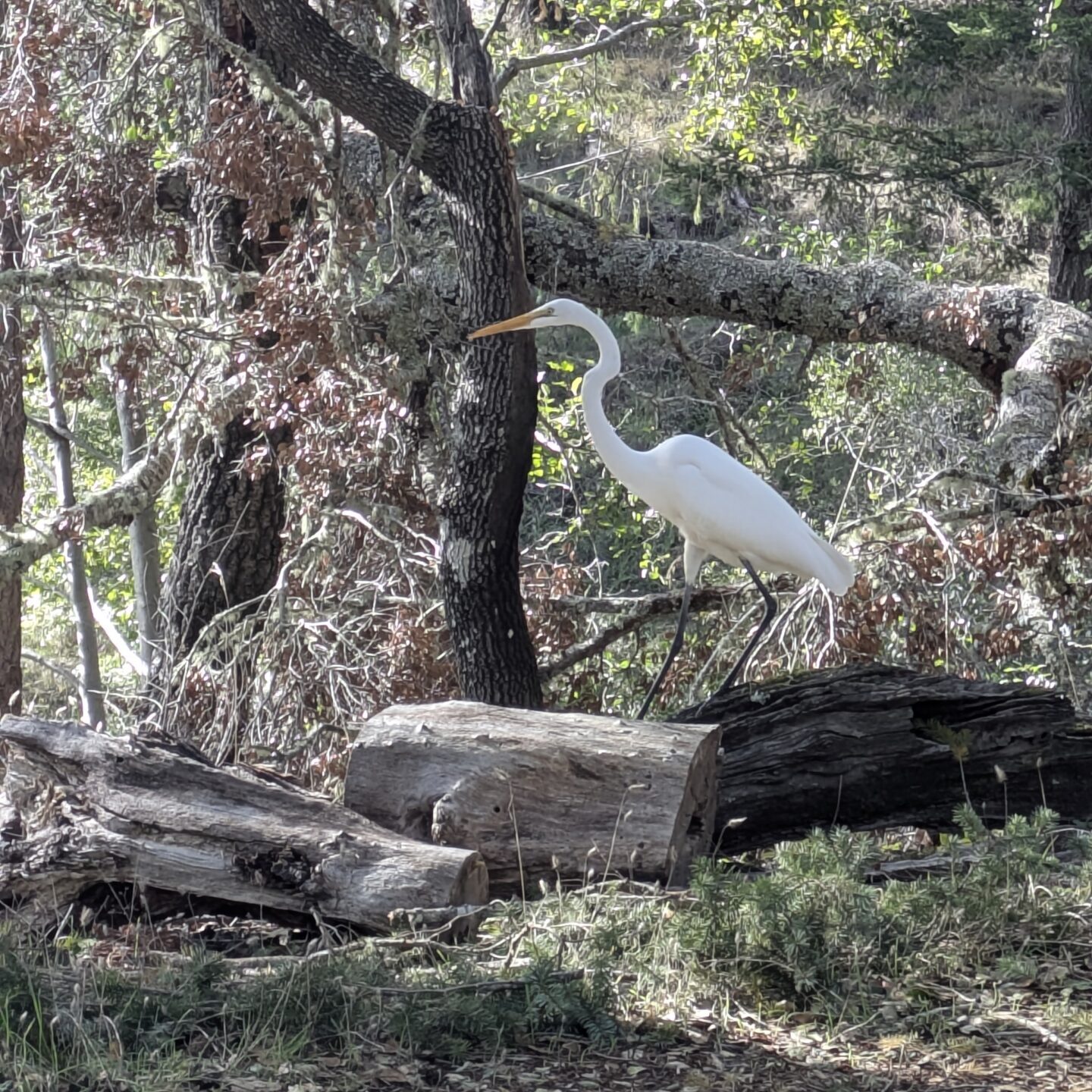
A few in the group had reached their limit at that point, while others did the only significant climb of the day up to the top of the Lake Lagunitas dam. We were rewarded with some fantastic wildlife – a couple of otters, an egret eating one of the newts that we were supposed to be looking out for, and squirrels’ larders in trees – and a wonderful end to a good day out with friends.

Saturday (Nov 1) : To paraphrase the “We ARE traffic” motto of Critical Mass: We ARE Yoly’s clientele, especially when we take almost all the chairs.
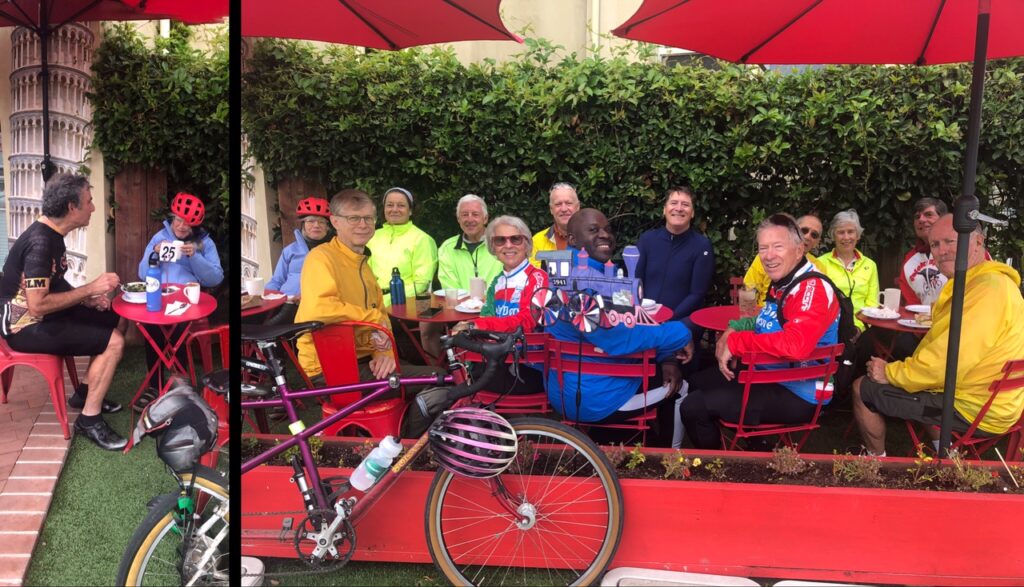
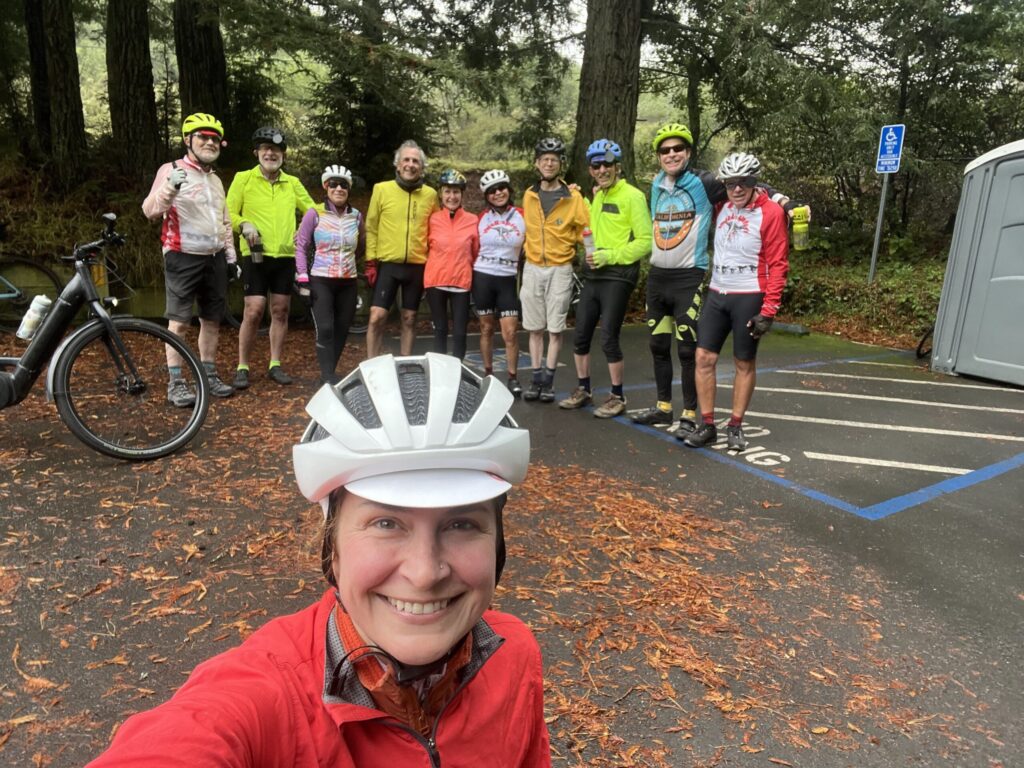
This past Sunday (10/26) 13 riders ignored the fog and mist and enjoyed great comradery riding in the East Bay hills. Most of the group did the Wildcat/El Toyonal descent to Orinda and then enjoyed coffee, pastry and lively conversation at Si Si’s in Moraga, before climbing back over Pinehurst.

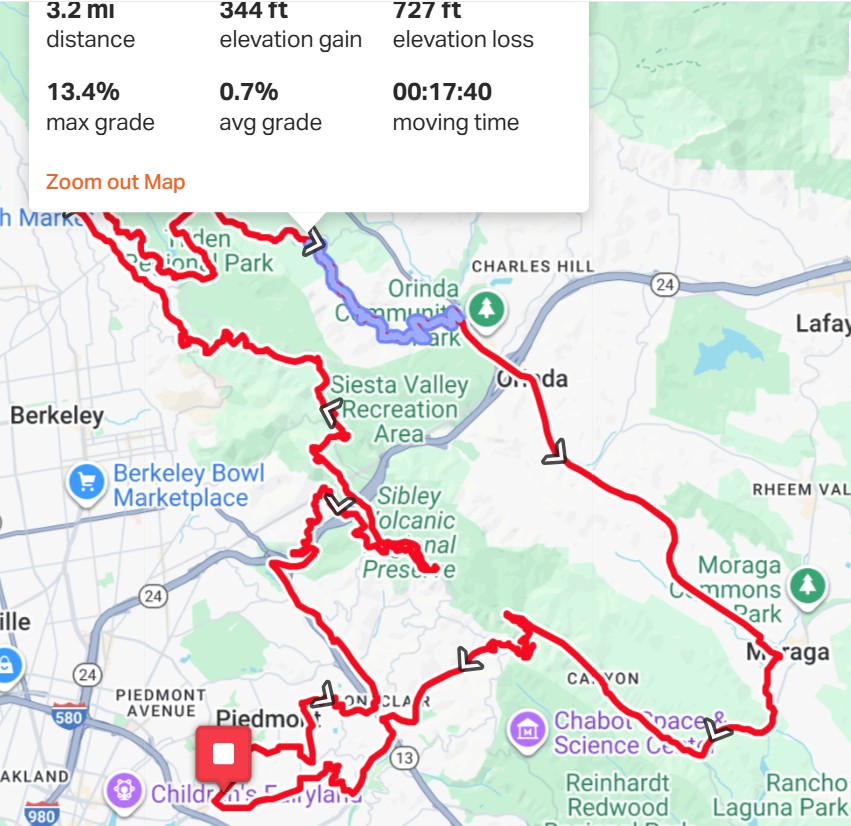
If you are unfamiliar with the El Toyonal option for avoiding the closure on Wildcat Canyon, the graphic below shows the El Toyonal route from Wildcat to Orinda highlighted in blue.
Eight HikeORaptors met in Briones Park on Monday, October 20, and hit the trail shortly after 9 a.m.
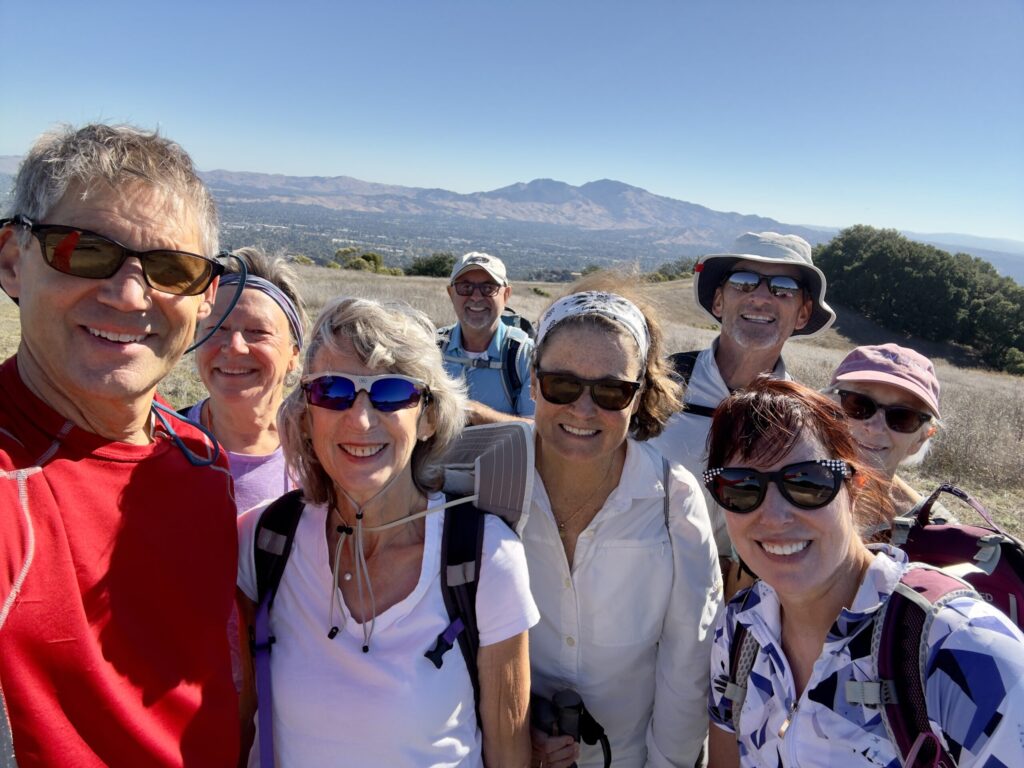
Alvin , Katie , Fiona, John, Karen , Marleen , Gary, and Jill
Due to an inattentive leader, the original route was extended by an additional mile, from the Bear Creek Staging Area up Abrigo Valley to Briones Crest Trail. Fortified by a snack at one of the most scenic benches in the park district, we proceeded to Table Top Trail, rejoined Briones Crest Trail, then descended on Seaborg back to the Bear Creek Staging Area. This route follows the crest of the hills (some ups and downs, quite steep!), and affords fantastic views – first of the Bay and delta, then over to Mount Diablo, and finally south.
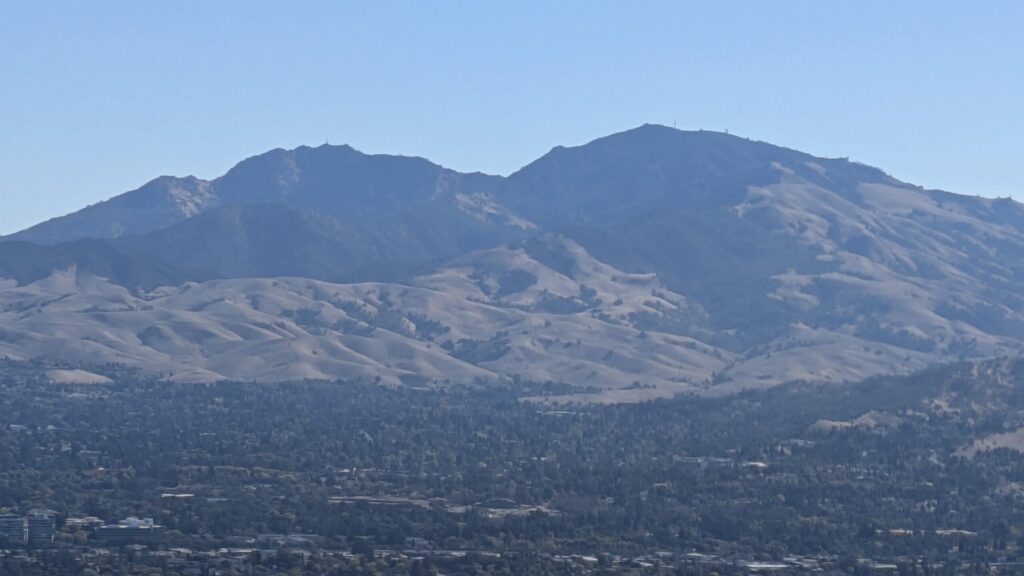
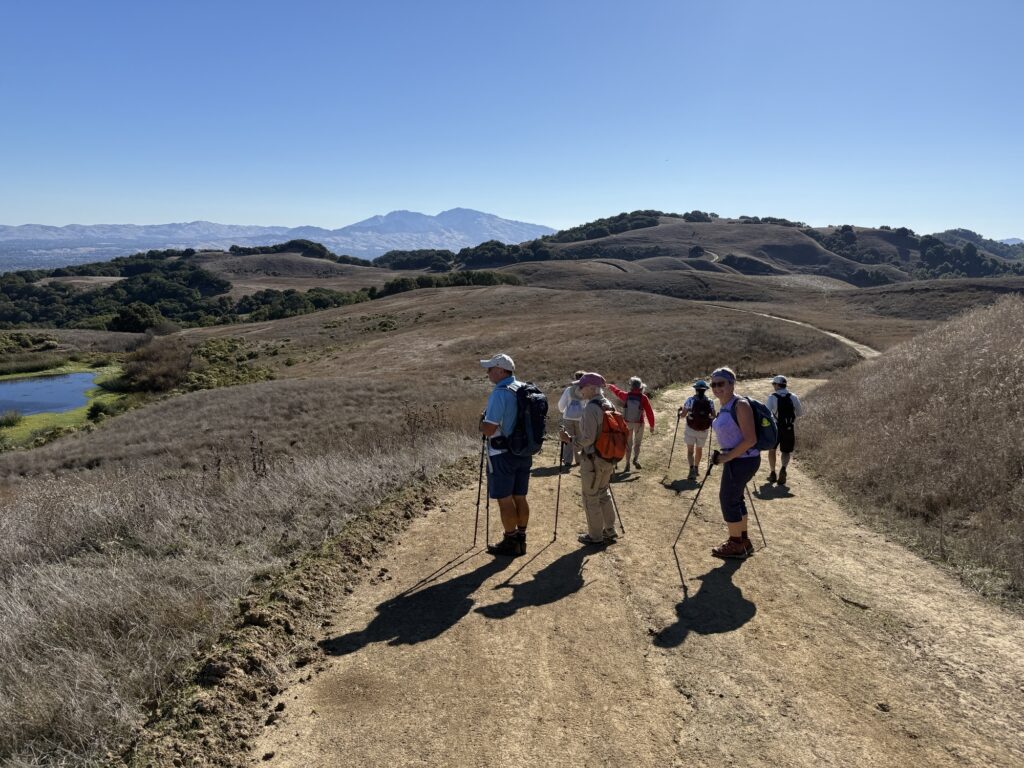
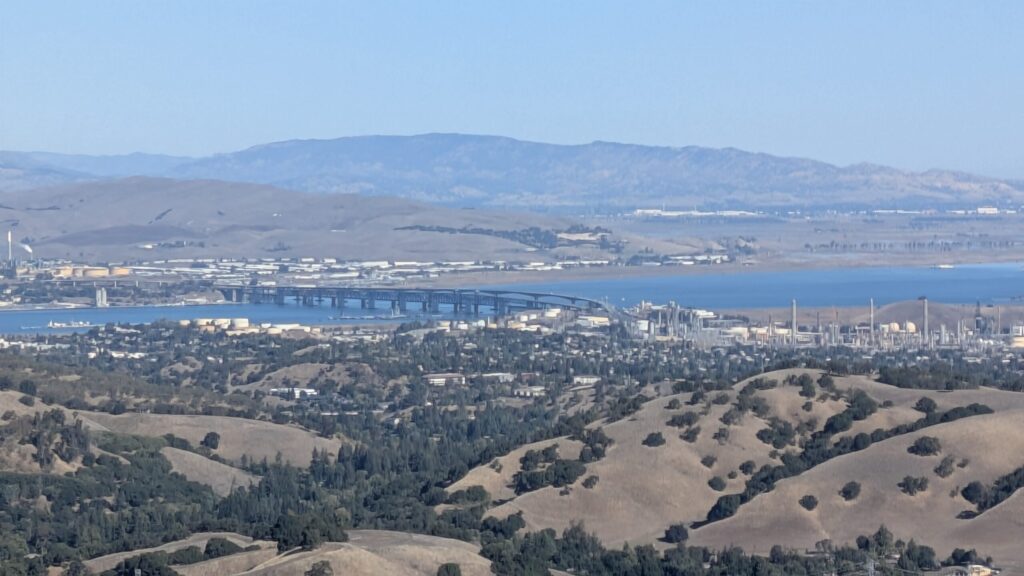
We totalled 7.7 miles with 1,135 feet of elevation gain. It was a glorious fall day, with enough of a breeze to temper the warm temperatures.
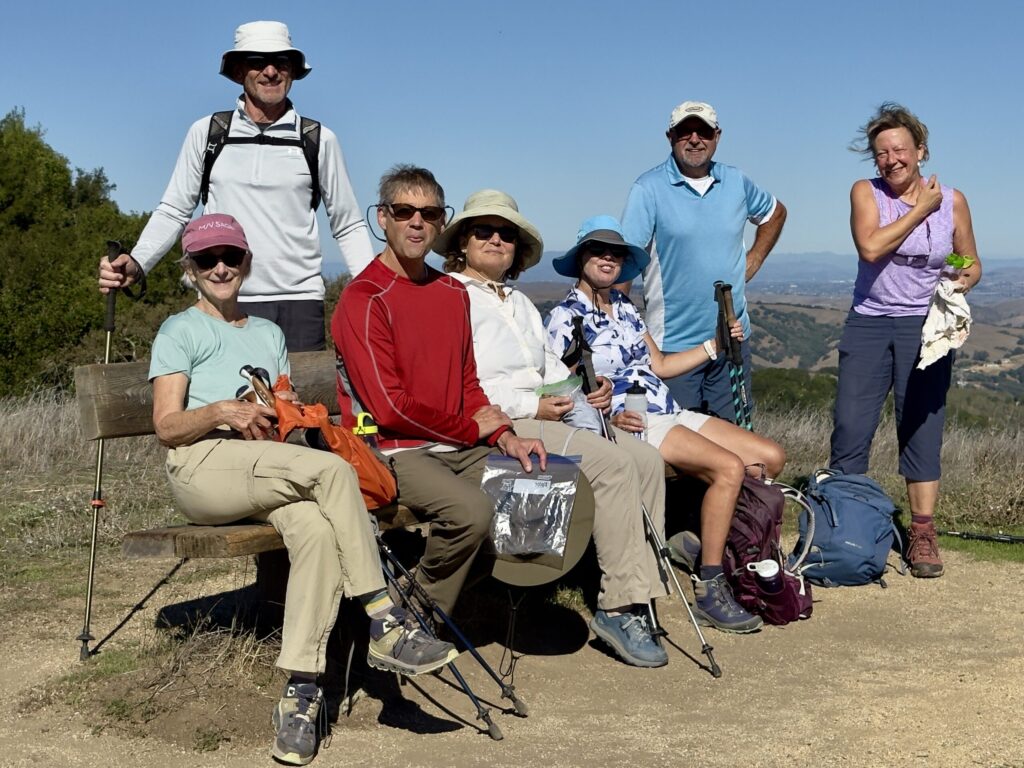
The wildlife included coyotes, a snake, a new calf (maybe not wildlife), and some amazing raptors.
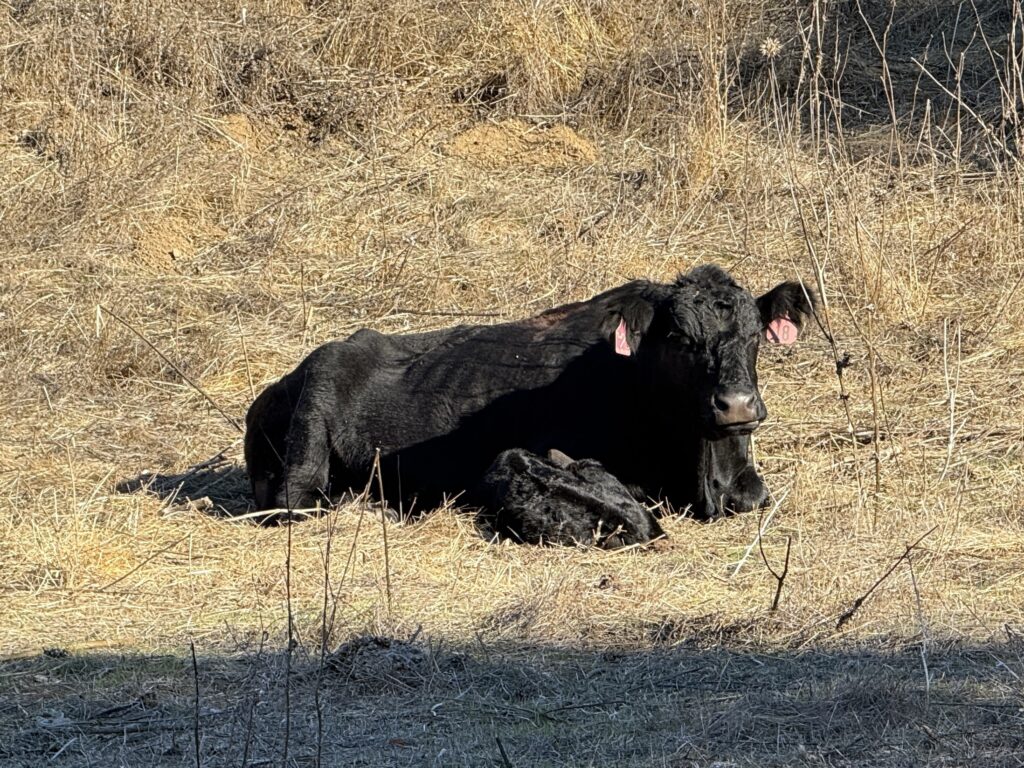
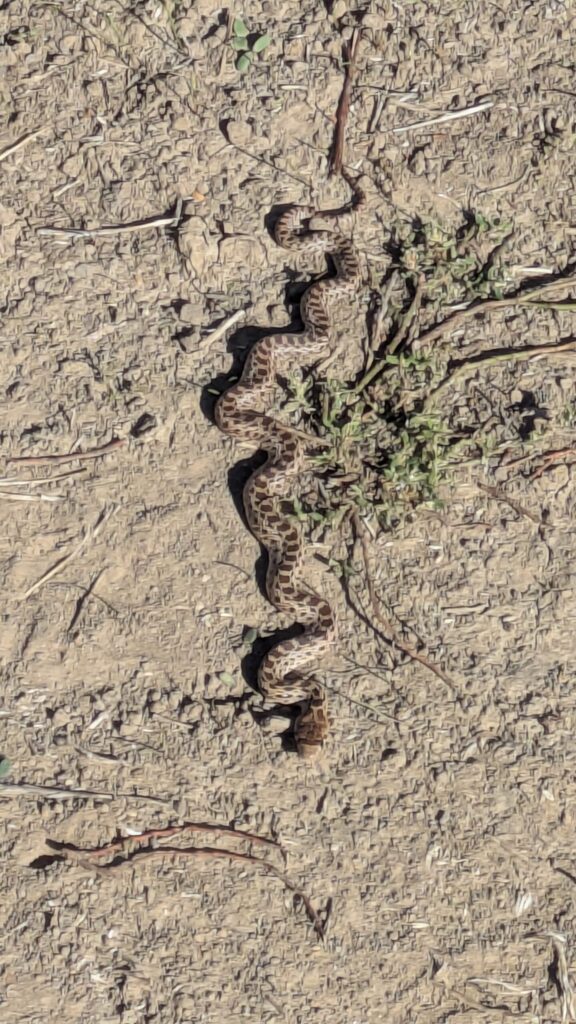
We noted the ponds where newts come to mate in winter, but there was no sign of them on this warm October day.
All in all, a good time was had by all.